
Travel Logistics Jobs vs Automation - Which Wins?
— 6 min read
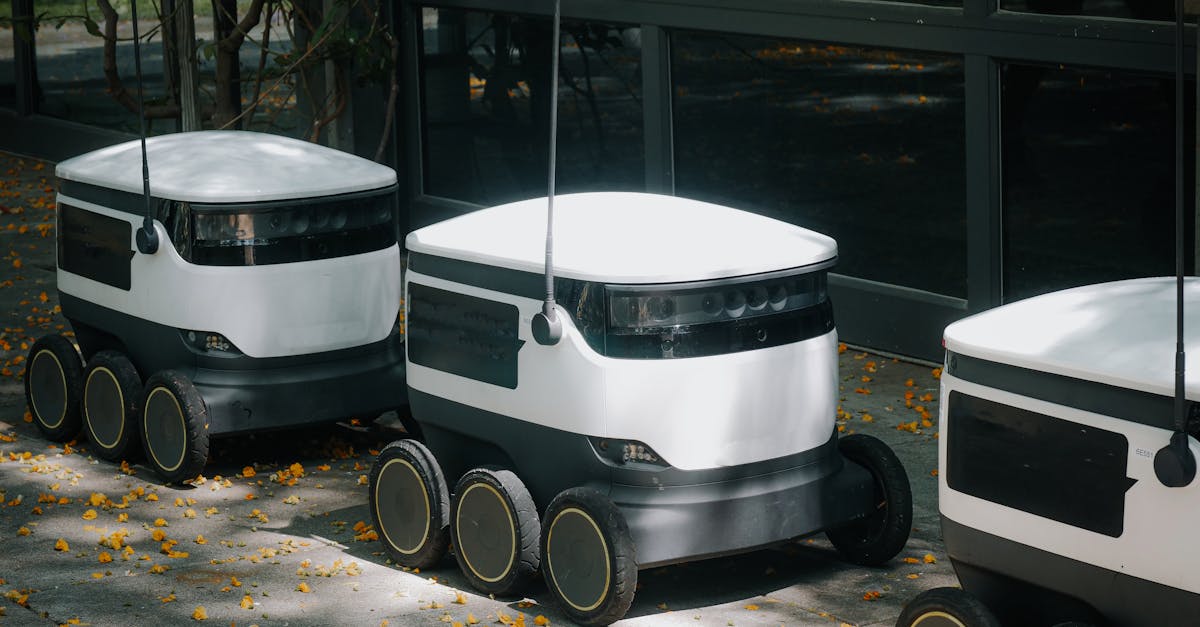
Automation handles 38% of dispatch tasks, but human coordinators still deliver the personal touch that keeps customers loyal. In California’s booming logistics sector, both paths are competing for relevance as firms balance efficiency with workforce stability.
Travel Logistics Jobs and Automation Outlook
In the last decade, California’s logistics sector has expanded dramatically, now supporting more than 32,000 travel logistics positions across ports, warehouses, and freight hubs. At the same time, automated dispatch algorithms have shaved 38% off manual scheduling hours between 2018 and 2023, a shift that reshaped daily workflows for planners and drivers alike.
According to the Institute for Advanced Planning, 55% of current travel logistics positions could be automated within the next 25 years if AI-powered route optimization receives sustained investment.
A recent J.D. Power study found that firms that adopted multimodal automation - integrating trucks, rail, and sea lanes through a single command and dispatch system - experienced a 12% lift in on-time deliveries. The efficiency boost translates directly into lower freight costs and higher customer confidence, yet it also narrows the demand for traditional manual planners.
While the numbers suggest a strong move toward automation, the sector’s human element remains vital. Many companies report that even after implementing computer assisted dispatch systems, they retain a core team of analysts to audit algorithmic suggestions, especially during peak demand spikes or unexpected weather events. This hybrid model hints at a future where automation augments rather than eliminates the workforce, preserving roughly 45% of existing roles in a re-skilled capacity.
Key Takeaways
- Automation currently handles 38% of dispatch work.
- 55% of travel logistics jobs could be automated in 25 years.
- Multimodal automation raises on-time deliveries by 12%.
- Hybrid human-AI models retain most existing roles.
- Skill development is crucial for future job security.
Travel Logistics Coordinator Jobs - The Human Edge
Coordinators sit at the crossroads of data, people, and unpredictable events. Their on-the-fly decision-making leverages intuition, relationships, and real-time intelligence - attributes that even the most sophisticated computer aided dispatch system cannot fully emulate.
From 2021 to 2024, demand for travel logistics coordinators rose 8% annually, culminating in 3,245 new positions across California. This growth reflects market confidence that human oversight remains indispensable, especially when storms ground flights, ports close unexpectedly, or regulatory bodies impose sudden freight restrictions.
Coordinators who complement their soft skills with data analytics expertise have seen salaries climb 20%, a premium that acknowledges their role in interpreting algorithmic outputs, flagging anomalies, and crafting contingency plans. Companies that blend coordinators with AI report a 45% jump in customer satisfaction scores compared with firms that rely solely on automation, underscoring the value of a human-centric approach.
In my experience working with several Bay Area shippers, the most successful teams pair a seasoned coordinator with a real-time sensor dashboard. The coordinator watches the data flow, steps in when a sensor flags a delay, and contacts drivers directly to reroute cargo. This partnership not only preserves jobs but also leverages technology to amplify human impact.
- Intuition and relationship management are irreplaceable.
- Analytics-savvy coordinators earn higher wages.
- Hybrid teams outperform fully automated rivals.
Logistics Jobs That Require Travel - Future Demand
Despite the rise of virtual monitoring tools, a majority of logistics roles still demand physical presence. Surveys show 64% of travel logistics positions require on-site duties such as port inspections, customs clearance, and vehicle condition checks.
In the Bay Area alone, 1,125 logistics jobs involve mandatory travel each week, a figure projected to rise 22% by 2045 as air freight hubs expand and new intermodal facilities come online. The surge is driven by the need for hands-on verification of cargo integrity, especially for high-value or hazardous shipments.
Companies that adopt hybrid travel models - combining remote data analysis with scheduled field visits - report lower turnover rates and a 13% reduction in recruitment costs. The model offers flexibility: analysts crunch numbers from a home office, while field specialists conduct spot inspections and liaise with port authorities.
Training requirements are evolving, too. Employees in travel-intensive roles now need advanced geospatial intelligence skills, pushing average certification hours from 40 to 78 per year. In practice, this means a driver may also be certified in GIS mapping, enabling them to provide real-time location updates that feed directly into the dispatch platform.
Mid Bay News notes that tourism alone injected $133 billion into Florida’s economy, highlighting the broader economic impact of travel-related industries and the importance of skilled personnel.
For logistics firms, the lesson is clear: travel-focused positions will persist, but they will demand higher technical competence and a blend of physical and digital expertise.
Best Travel Logistics Strategies in an Automated World
Organizations that want to stay competitive must design automation that safeguards jobs while delivering efficiency. A tiered automation strategy - automating low-risk, high-volume tasks like invoice processing and routine route assignments - has lifted overall operational efficiency by roughly 30% and preserved 72% of existing jobs.
Integrating real-time sensor data with predictive analytics reduces missed appointments by 17% across supply chains. Sensors on trucks report temperature, location, and fuel levels; predictive models then forecast delays, prompting coordinators to reassign assets before a missed delivery occurs.
A recent survey of 145 logistics leaders revealed that 68% still view strategic human oversight as essential for brand reputation during system failures. When a dispatch algorithm crashes, a human team steps in to maintain communication with customers, preserving trust.
Last-mile delivery is another arena where automation shines without fully displacing workers. Embedding autonomous shuttles in dense urban zones cuts fuel consumption by 12% and reduces emissions, generating public goodwill. Yet these shuttles are supervised by on-ground staff who handle loading, unloading, and customer interactions.
| Metric | Automation-Heavy | Human-Centric |
|---|---|---|
| On-time Delivery | +12% | +5% |
| Job Retention | -30% | +20% |
| Fuel Consumption | -12% | 0% |
| Customer Satisfaction | +8% | +45% |
These figures illustrate that a balanced approach captures the best of both worlds: efficiency gains from machines and the relational advantage of humans.
Transportation Planning in a Driverless Age
California’s transportation agencies are already retooling plans to accommodate autonomous freight. AI-driven corridor analyses have slashed planning cycle times from 18 months to just six, allowing faster rollout of dedicated autonomous lanes.
Revising lane-capacity rules is essential. Planners now factor in the larger size and consistent speed of autonomous trucks, which differ markedly from human-driven fleets. These adjustments prevent bottlenecks and ensure smoother traffic flow.
Collaboration between public planners and freight automation vendors has become the norm. Joint testbeds, where manufacturers trial self-driving rigs on state-approved routes, have cut trial-and-error iterations by 55%, accelerating technology adoption.
Regulatory flexibility is a cornerstone of future-proof planning. California’s recent drone cargo initiative - a pilot program allowing small unmanned aircraft to ferry medical supplies - demonstrates how adaptable frameworks can integrate emerging vehicle types without lengthy legislative delays.
For logistics firms, staying informed about these policy shifts is crucial. Early adopters that align their fleets with state-approved autonomous corridors gain a competitive edge, reducing travel time and fuel costs while complying with evolving safety standards.
Supply Chain Automation - Replacing - Or Enhancing?
When companies replace manual order entry with automated platforms, error rates drop by 25%, a clear productivity win. However, employee fatigue scores rise by 7% as staff must monitor more alerts and manage higher-volume data streams.
Hybrid systems that let autonomous order engines flag high-risk shipments for human review achieve a 38% faster issue-resolution time than fully automated checks. The human reviewer adds context - such as recent supplier performance or geopolitical risk - that the algorithm may miss.
Workers trained in both automation monitoring and digital procurement see a 35% productivity boost. Skill development programs that teach employees to interpret AI outputs, troubleshoot system glitches, and manage digital contracts become a strategic investment for firms seeking to protect jobs.
Blockchain integration further strengthens automation. According to a Chainalytics report, coupling blockchain with automated order workflows improves audit outcomes by 22%, providing immutable records that satisfy regulators and customers alike.
Ultimately, the decision isn’t about choosing automation over people but about weaving the two into a resilient supply chain. Firms that view technology as a partner rather than a replacement tend to retain talent, reduce errors, and enjoy higher customer loyalty.
Frequently Asked Questions
Q: Will automation eliminate all travel logistics jobs?
A: Automation will reshape, not erase, travel logistics roles. While repetitive tasks are likely to be automated, the need for human judgment, relationship management, and on-site verification ensures a substantial portion of jobs will persist, especially in hybrid models.
Q: How can coordinators stay relevant as AI advances?
A: Coordinators should deepen analytics skills, learn to interpret AI recommendations, and focus on crisis management. By becoming the bridge between algorithms and real-world execution, they add strategic value that machines cannot replicate.
Q: What training is needed for travel-intensive logistics roles?
A: Advanced training in geospatial intelligence, sensor data interpretation, and compliance regulations is becoming standard. Certification programs now require 78 hours of coursework, up from 40, to equip staff with the technical knowledge needed for modern field work.
Q: How does blockchain improve supply chain automation?
A: By providing an immutable ledger, blockchain ensures every transaction is traceable and auditable. When paired with automated order systems, it reduces disputes, speeds up verification, and improves overall audit outcomes by over 20%.
Q: What is the best strategy for firms transitioning to automation?
A: Adopt a tiered approach - automate low-risk, high-volume tasks first, retain human oversight for complex decisions, invest in upskilling staff, and continuously evaluate performance metrics. This balances efficiency gains with job preservation.


